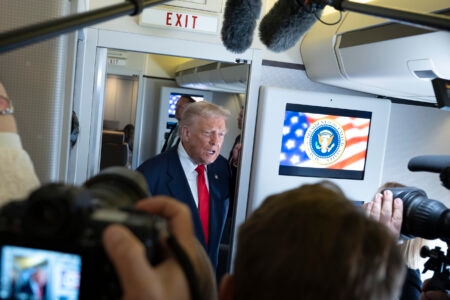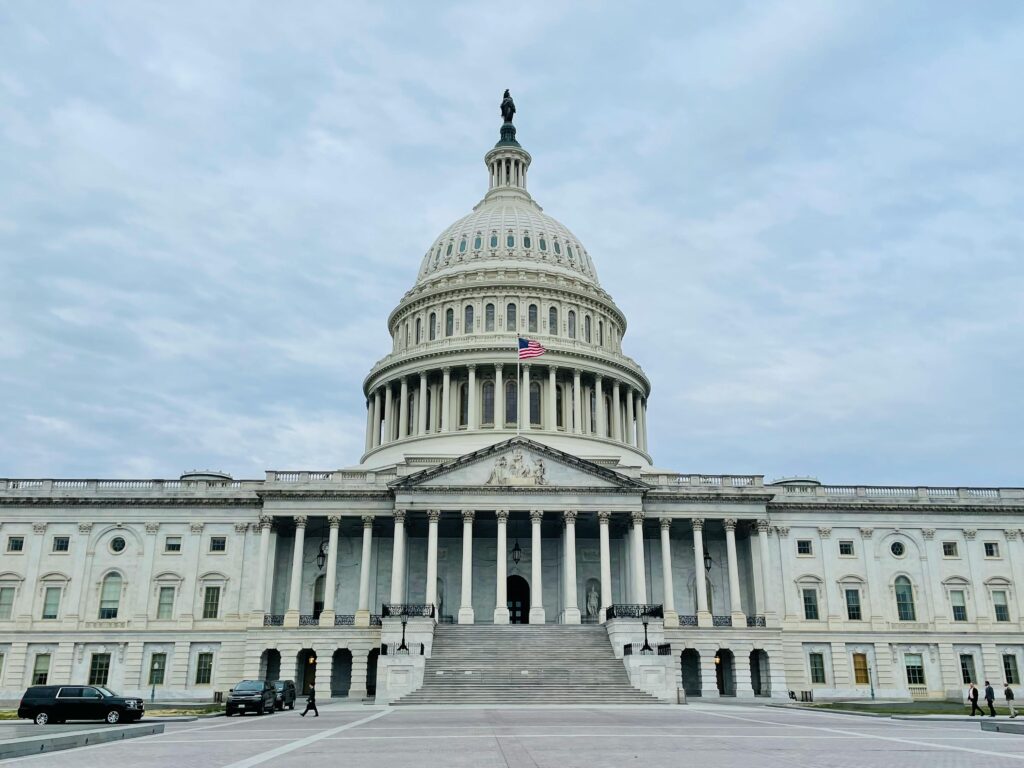
For the fourth time, Senate Republicans have defeated a Democratic effort to invoke the War Powers Act and limit President Trump’s military operations against Iran. The latest vote, 47 to 52, fell largely along party lines and came as the conflict approaches the 60-day threshold established by federal law. The outcome was consistent with three prior Senate votes on the same issue.
The resolution, brought to the floor by Sen. Tammy Duckworth of Illinois, was framed as an effort to compel an end to what she characterized as an unnecessary and costly military engagement. Duckworth argued that the American public has grown weary of the conflict’s economic and political consequences and called on the Senate to exercise its constitutional role.
As in previous votes, Sen. Rand Paul of Kentucky was the only Republican to side with Democrats in support of the measure. Sen. John Fetterman of Pennsylvania continued to break with his party by voting in opposition. Sen. Jim Justice of West Virginia did not cast a vote.
Democrats in both the House and Senate have repeatedly forced procedural votes on the issue, using each attempt to apply political pressure on Republicans as gasoline prices climb and the war shows no clear endpoint.
Despite the unified GOP opposition on the floor, cracks have begun to appear within Republican ranks. Several senators have voiced reservations about the administration’s handling of the conflict and have signaled a preference for a swift resolution.
Sen. Lisa Murkowski of Alaska, who voted against the Duckworth resolution, has been working alongside other Republican colleagues on a separate legislative path: a formal authorization for the use of military force against Iran. Such an authorization would extend congressional approval for military action beyond the 60-to-90-day window that the 1973 War Powers Act allows the executive branch to act unilaterally in response to national security threats.
The 1973 War Powers Act was passed in the aftermath of the Vietnam War as a check on presidential military authority. It requires the president to notify Congress within 48 hours of committing armed forces to hostilities and limits unauthorized engagements to 60 days, with a 30-day withdrawal period.
Some Republican lawmakers now believe that if the conflict extends into late May without a resolution, Congress will face pressure to formally authorize continued operations, particularly if the administration seeks additional military funding. That vote, should it arrive, would force members to take a more definitive public stance on a war that has so far allowed most Republicans to remain noncommittal.