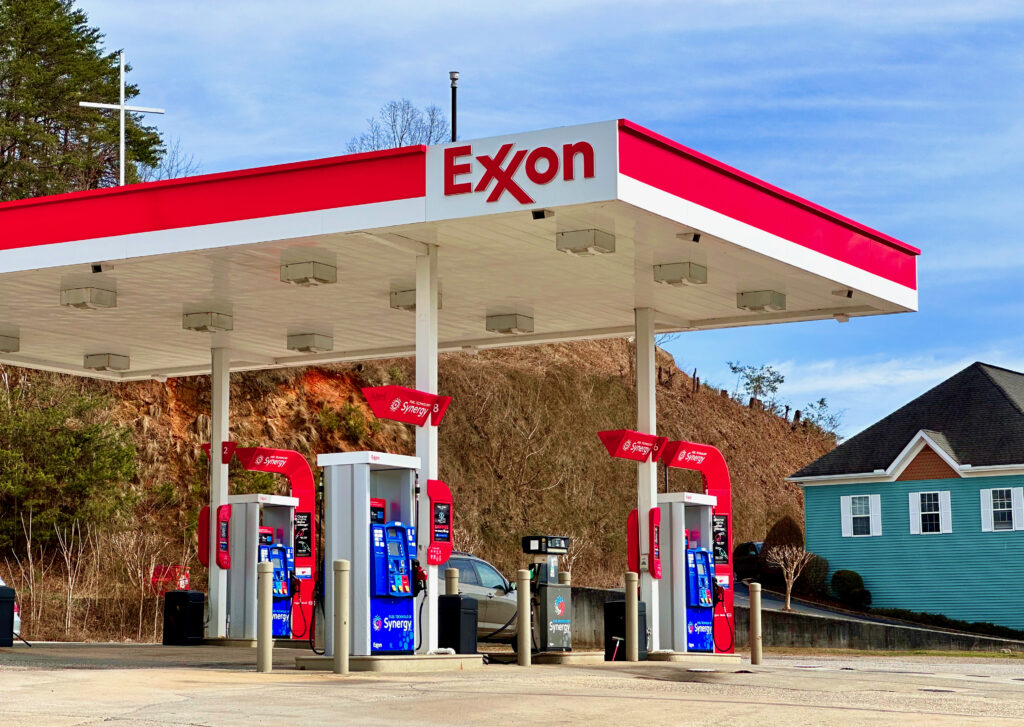
President Donald Trump indicated Sunday that he may bar ExxonMobil from participating in planned oil sector investments in Venezuela, citing dissatisfaction with the company’s cautious stance on his proposed $100 billion initiative for the South American nation’s petroleum industry.
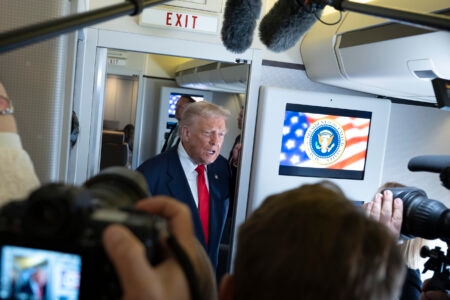
During an informal media session aboard Air Force One, Trump addressed questions about which energy companies have committed to his Venezuela investment plan. When asked specifically about ExxonMobil’s involvement, the president expressed skepticism about the oil giant’s participation.
“I’d probably be inclined to keep Exxon out. I didn’t like their response. They’re playing too cute,” Trump told reporters.
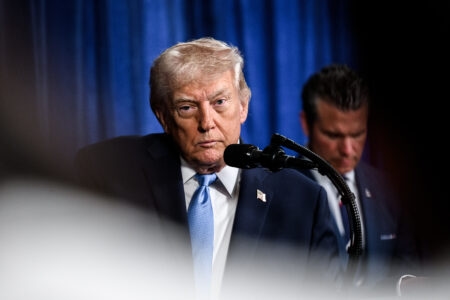
The president’s comments followed a Friday meeting at the White House with oil industry executives, where ExxonMobil CEO Darren Woods delivered a frank assessment of Venezuela’s investment climate. Woods characterized the current business environment in the country as unsuitable for major capital commitments.
“If we look at the legal and commercial constructs and frameworks in place today in Venezuela, today, it’s uninvestable,” Woods stated during the White House gathering.
The Texas-based energy corporation’s CEO pointed to his company’s troubled history in Venezuela as justification for caution. Woods noted that ExxonMobil has operated in Venezuela on two separate occasions, and both times the Venezuelan government seized the company’s assets.
Despite expressing reservations about current conditions, Woods suggested that future investment could be possible with substantial reforms. He indicated confidence that the Trump administration might successfully negotiate necessary changes with Venezuelan authorities to create a more favorable business climate.
The exchange highlights ongoing tensions between the administration’s ambitious plans for Venezuela’s oil sector and private sector concerns about political and economic stability in the nation, which has experienced significant upheaval in recent years. Venezuela possesses some of the world’s largest proven oil reserves, making it an attractive target for energy investment if governance and legal frameworks can be adequately reformed.