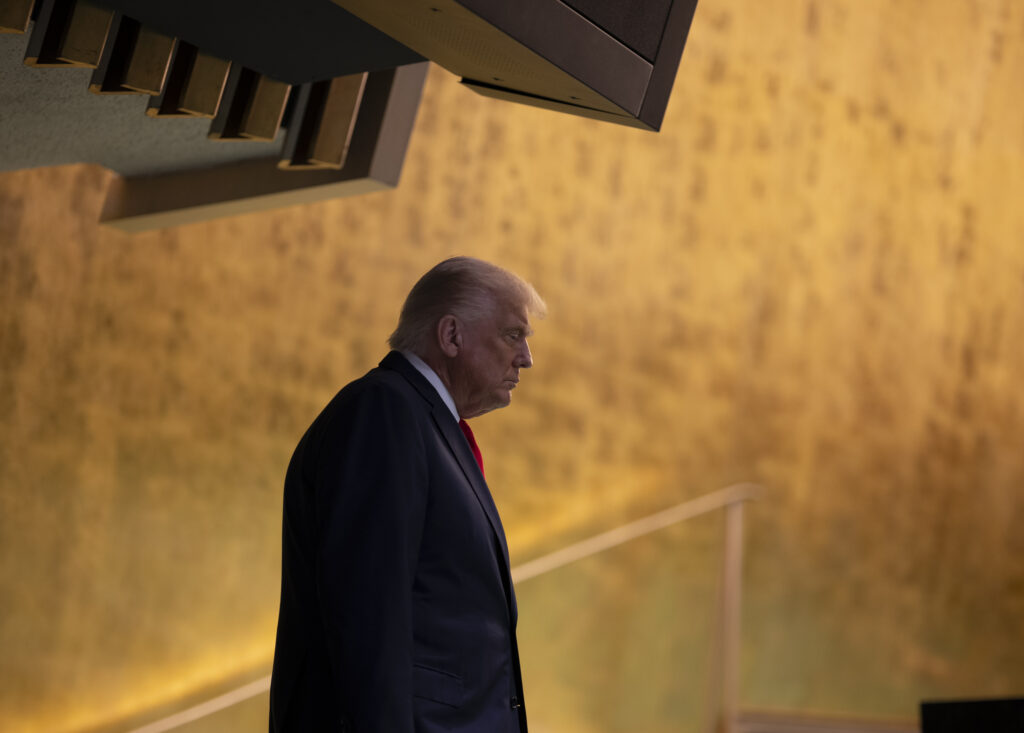
Former President Donald Trump has escalated his legal fight against New York Attorney General Letitia James, asking the state’s highest court to nullify all remaining findings and sanctions stemming from a civil fraud lawsuit targeting his real estate business. The appeal follows a mixed lower court ruling that eliminated the largest financial penalty but left other consequences in place. The filing intensifies a long-running legal and political confrontation between Trump and one of his most vocal critics.
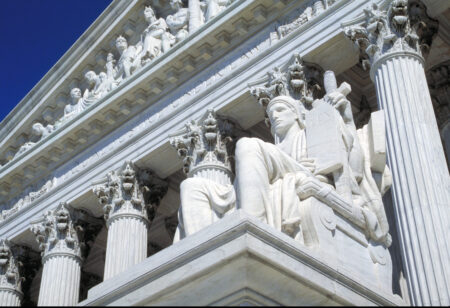
Trump’s legal team submitted a 119-page brief to New York’s Court of Appeals this week, arguing that Attorney General Letitia James exceeded her legal authority in bringing the civil fraud case against the former president and his business operations.
The lawyers characterized the lawsuit as politically motivated, urging the court to end what they described as an unprecedented application of state law.
James filed the lawsuit in 2022, contending that Trump systematically overstated his net worth in order to obtain favorable loan terms and reduce insurance costs. The case posed significant threats to Trump’s financial standing and public image as a successful real estate developer.
At the trial level, Judge Arthur Engoron ruled against Trump, imposing a penalty of approximately $464 million that grew beyond $500 million with interest. He also barred Trump from holding executive positions at any New York-registered company for three years, and placed the Trump Organization under independent financial oversight. Trump’s sons, Donald Trump Jr. and Eric Trump, were each prohibited from serving in senior roles at New York companies for two years.
A mid-level appeals court subsequently eliminated the financial penalty, finding it excessive under the law, but upheld the liability finding and the remaining sanctions. Both sides have appealed that decision.
Trump’s attorneys acknowledged the unusual nature of challenging a ruling that largely worked in their client’s favor. They argued, however, that allowing the remaining liability determination and non-financial penalties to stand would set a damaging legal precedent.
The filing warned that permitting the rulings to remain in effect could undermine New York’s standing as the country’s leading financial center and weaken its commercial real estate sector.
The legal battle unfolds alongside a separate federal effort to prosecute James that has so far been unsuccessful. She was indicted in October on mortgage fraud charges, but a federal judge dismissed the case after determining that the prosecutor who brought it lacked the legal authority to do so. Two subsequent grand juries declined to return indictments on related charges.
James was first elected New York attorney general in 2018, in part by campaigning on a pledge to investigate Trump’s business dealings. That commitment made her a central figure in legal efforts targeting the former president and earned her prominent status among his political opponents. Trump, since returning to the presidency, has directed significant political and legal pressure at her office.