Federal authorities have initiated a criminal investigation into Federal Reserve Chair Jerome Powell concerning testimony he provided to Congress about a multibillion-dollar headquarters renovation project, marking an unprecedented escalation in tensions between the White House and the nation’s central bank.
Powell disclosed Sunday that the Department of Justice served the Federal Reserve with grand jury subpoenas and indicated prosecutors may seek a criminal indictment. The investigation centers on Powell’s June testimony before the Senate Banking Committee, where he addressed the $2.5 billion modernization effort at the Fed’s Washington headquarters.
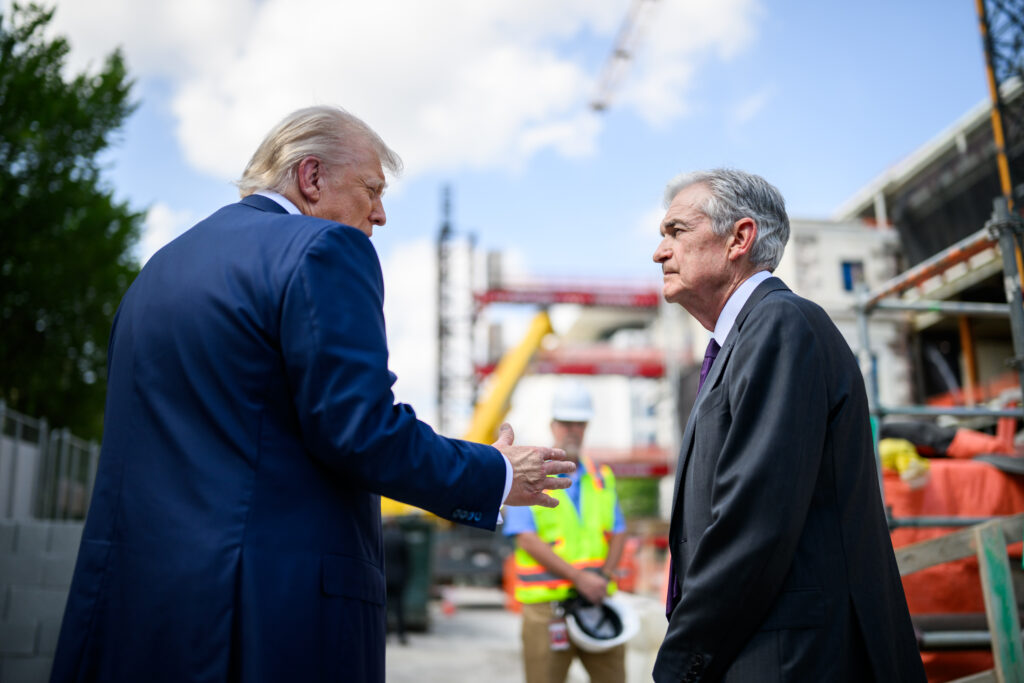
The probe follows months of public criticism from President Trump targeting Powell and the Federal Reserve for their interest rate policies. Trump has repeatedly pressed the central bank to reduce rates more aggressively. The Fed has implemented three consecutive quarter-point cuts, bringing the federal funds rate to a range between 3.50 and 3.75 percent.
In his statement, Powell characterized the investigation as a threat to the Fed’s independence. He suggested the inquiry raises fundamental questions about whether the central bank can maintain its authority to set monetary policy based on economic data and analysis, or whether such decisions will become subject to political influence.
The renovation project at the center of the investigation represents the first comprehensive modernization of the Marriner S. Eccles and William McChesney Martin buildings since their construction in the 1930s. Work commenced in 2022 and encompasses hazardous material removal, infrastructure upgrades, and improvements to meet contemporary safety and accessibility requirements.
The investigation represents a striking development in the relationship between the executive branch and the Federal Reserve, an institution designed to operate independently from political pressure. The central bank’s autonomy has long been considered essential to maintaining credibility in financial markets and ensuring monetary policy decisions reflect economic conditions rather than partisan considerations.