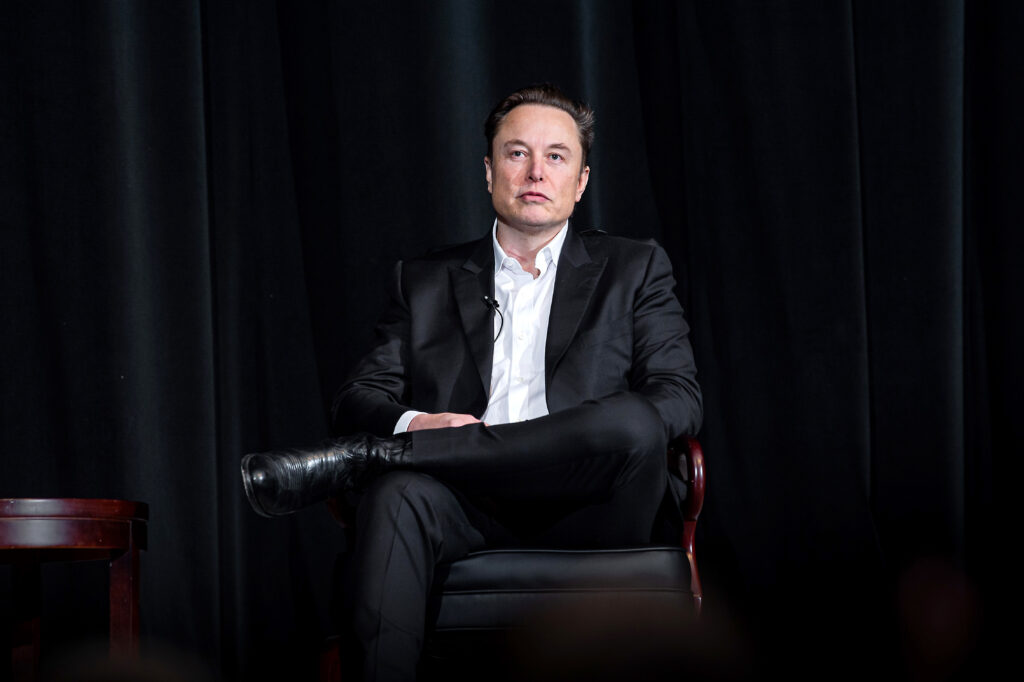
A California federal jury has unanimously ruled against Elon Musk in his legal battle against OpenAI and co-founder Sam Altman, closing a significant chapter in a prolonged dispute over the artificial intelligence organization’s structural transformation. The verdict, reached in under two hours, determined that Musk filed his claims too late under California’s statute of limitations. U.S. District Judge Yvonne Gonzalez Rogers subsequently dismissed all of Musk’s allegations.
The jury’s decision came after three weeks of testimony from prominent figures in the technology and business worlds, including Musk himself, Altman, OpenAI co-founder Greg Brockman, and Microsoft Chief Executive Satya Nadella.
The nine-member panel concluded that Musk had exceeded the three-year filing window required under California law, rendering his claims legally invalid regardless of their underlying merit.
Judge Gonzalez Rogers, whose ruling was expected to align with the advisory verdict, formally dismissed the case in full.
Following the decision, Musk indicated via social media that he intends to appeal to the Ninth Circuit Court of Appeals. He argued that allowing the ruling to stand would set a dangerous legal precedent enabling the misappropriation of charitable assets, which he characterized as a threat to philanthropic culture in the United States.
OpenAI was incorporated in 2015 as a nonprofit research laboratory with the explicit goal of developing advanced artificial intelligence in a manner that would benefit society broadly. The organization’s founding philosophy reflected a collective concern among its early backers that concentrating AI capabilities within a single corporation or individual posed serious risks to the public interest.
By 2017, however, the founding team had concluded that the nonprofit model alone was insufficient to sustain the scale of investment and talent acquisition necessary to remain competitive in the rapidly accelerating AI industry. The solution was the creation of a for-profit subsidiary.
That transition proved to be a turning point in Musk’s relationship with the organization. He sought a degree of control over the new structure that other founders were unwilling to grant. Musk departed from the board in 2018, and the professional relationship deteriorated in the years that followed.