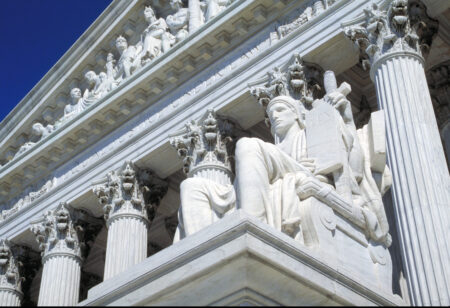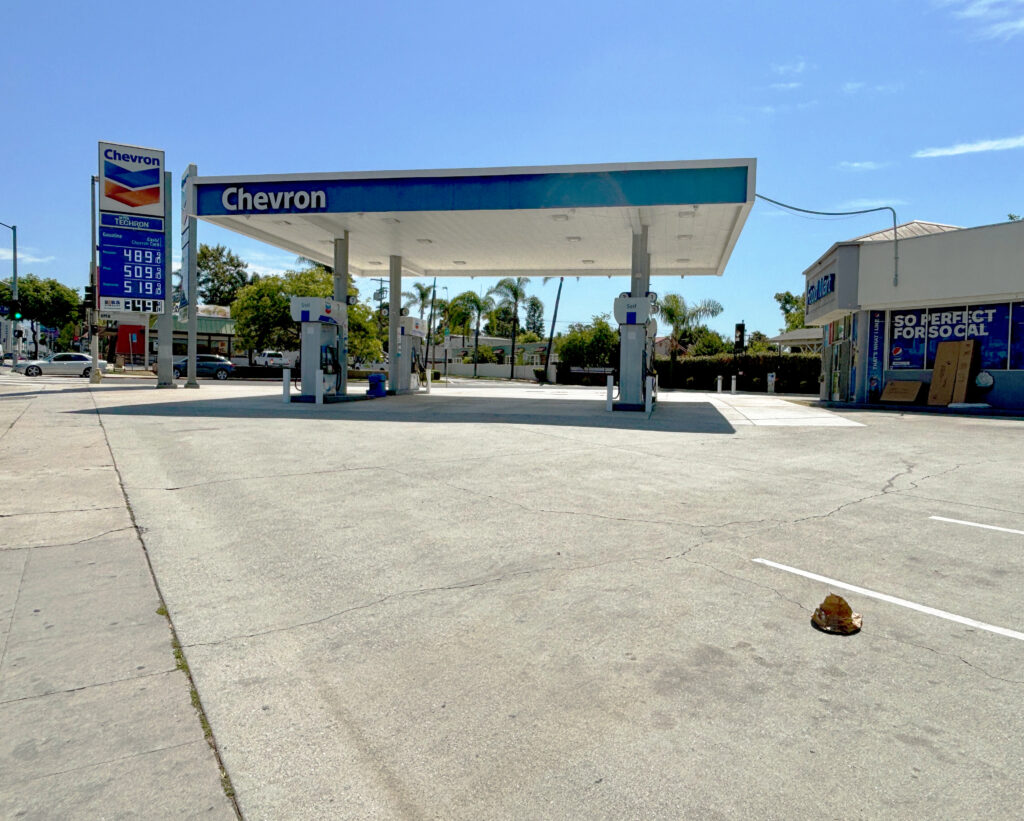
The U.S. Supreme Court ruled unanimously Friday in favor of oil and gas companies seeking to move Louisiana coastal damage litigation from state to federal court. The decision temporarily sets aside a state jury verdict ordering Chevron to pay more than $740 million in environmental remediation costs. The ruling adds a new procedural chapter to a long-running legal dispute over one of the most significant cases of coastal land loss in American history.
The 8-0 decision does not resolve the underlying environmental claims, but instead determines where those claims will be heard. The companies argued that because they operated as federal contractors during World War II, the cases fall under federal jurisdiction. The Supreme Court agreed the argument merits a full federal court review.
The Trump administration filed briefs supporting the industry’s position, reinforcing the companies’ contention that they should not be held liable for activities conducted before Louisiana’s environmental regulations were established.
Louisiana’s coastline has been in measurable decline for decades. The U.S. Geological Survey estimates the state has lost more than 2,000 square miles of land over the past century, and state coastal protection authorities have warned that an additional 3,000 square miles could disappear in the coming decades. Federal scientists have identified oil and gas infrastructure as a notable contributing factor to that erosion.
The litigation stems from a verdict in Plaquemines Parish, a narrow stretch of land along the Mississippi River that extends toward the Gulf of Mexico. A local jury found that Texaco, the predecessor company absorbed by Chevron in 2001, had repeatedly violated Louisiana coastal resource regulations over several decades. The violations included failure to restore wetlands disturbed by canal dredging, the drilling of wells, and the discharge of billions of gallons of wastewater into marshland.
The political dimensions of the case are notable. Louisiana Governor Jeff Landry, a Republican with longstanding ties to the oil and gas industry, supported the lawsuits during his tenure as the state’s attorney general. Attorneys representing the coastal parishes involved in the litigation have characterized the companies’ Supreme Court appeal as a deliberate delay tactic rather than a substantive legal challenge.
The case is one of several similar lawsuits filed by Louisiana coastal communities seeking compensation for environmental damage. With the matter now headed back to federal court, a final resolution remains uncertain.