
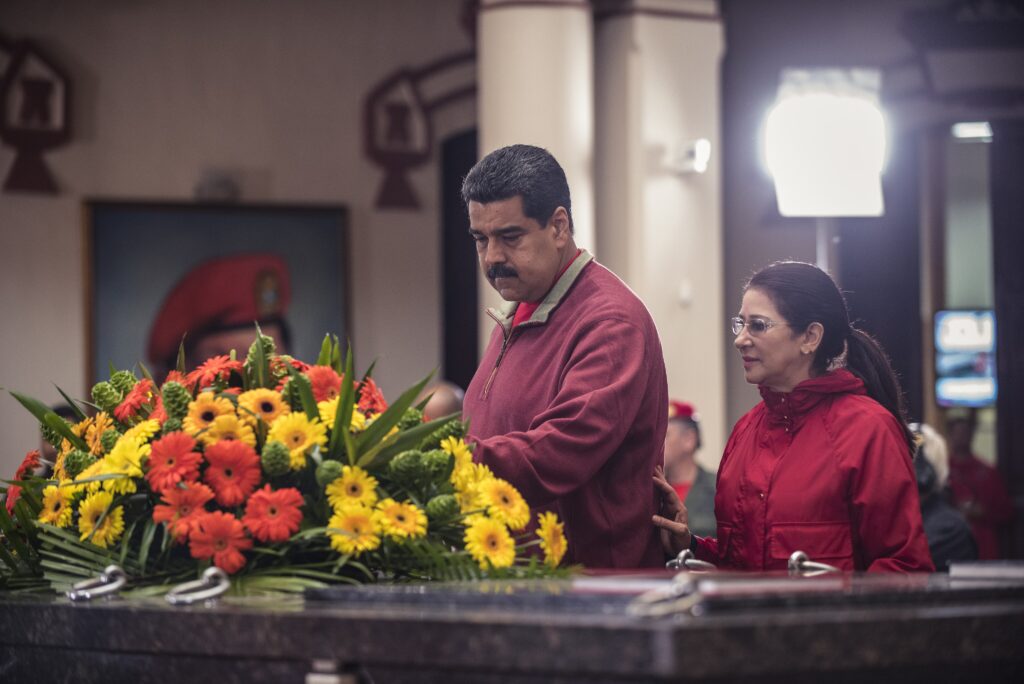
Nicolás Maduro, the deposed Venezuelan head of state, and his spouse Cilia Flores appeared before a federal magistrate in New York on Monday to deny all criminal allegations against them. The pair were apprehended during a weekend military operation in Caracas and transported to the United States to answer charges including narco-terrorism and cocaine trafficking conspiracy.
The brief Monday afternoon proceeding at the federal courthouse marked the first public sighting of Maduro since U.S. forces conducted the raid on his residential compound Saturday. Both defendants submitted not guilty pleas to all counts during the session, which concluded in under 60 minutes.
U.S. District Judge Alvin K. Hellerstein presided over the initial hearing. Maduro faces allegations of narco-terrorism conspiracy, cocaine importation conspiracy, and weapons violations. Flores, a politician and lawyer by profession, confronts similar charges alongside other high-ranking Venezuelan government figures, including Maduro’s son.
Upon entering the courtroom, Maduro offered seasonal greetings to those present. During formal introductions, he identified himself both as Venezuela’s president and as a prisoner of war. Flores presented herself as the nation’s first lady. Court observers noted visible injuries on Flores, including facial swelling and bandaging on her forehead, potentially resulting from the military extraction.
Defense counsel for Maduro requested medical imaging and treatment for what they described as possible rib damage incurred during the operation. The courtroom proceedings were briefly interrupted when a spectator stood to condemn Maduro on behalf of Venezuelan citizens. Maduro responded by stating his religious faith. The court scheduled the next hearing for March 17.
Outside the federal building, demonstrators assembled with competing messages. Some protesters demanded Maduro’s release and criticized the current administration’s intervention, while others voiced opposition to conditions Venezuelans endured under his governance. Supporters sang the Venezuelan national anthem and performed with drums.
Federal prosecutors released a lengthy indictment Saturday detailing accusations that Maduro and his associates facilitated the importation of massive cocaine quantities into American territory with assistance from Venezuelan security forces. The charging document alleges Maduro supplied drug smugglers with diplomatic credentials and collaborated with narcotics cartels to route cocaine through Caribbean and Central American transit points. According to the indictment, these trafficking activities allegedly commenced in 1999.
Attorney General Pam Bondi announced via social media over the weekend that both defendants would “soon face the full wrath of American justice on American soil in American courts.” Conviction on the charges could result in life imprisonment for both Maduro and Flores.
Barry J. Pollack, a prominent trial lawyer whose previous clients include WikiLeaks founder Julian Assange and former Enron executives, represents Maduro in the proceedings. Pollack has not yet provided public comment on the case.
Mark Donnelly, a Houston attorney focusing on white-collar criminal defense, serves as counsel for Flores. In a statement provided to media outlets, Donnelly indicated his client “is in good spirits” and that the defense team anticipates examining and contesting the prosecution’s evidence. He noted that while they wish to present their arguments immediately, they will reserve their defense for the proper courtroom setting. Donnelly confirmed Flores understands the extended legal process ahead and is ready to proceed.
The unprecedented detention and extradition of a sitting or recently removed head of state represents a significant escalation in U.S. enforcement actions against foreign leaders accused of narcotics trafficking. The case will likely raise complex questions about international law, sovereignty, and the extent of American jurisdiction in pursuing alleged criminal activity by foreign government officials.

.jpg)